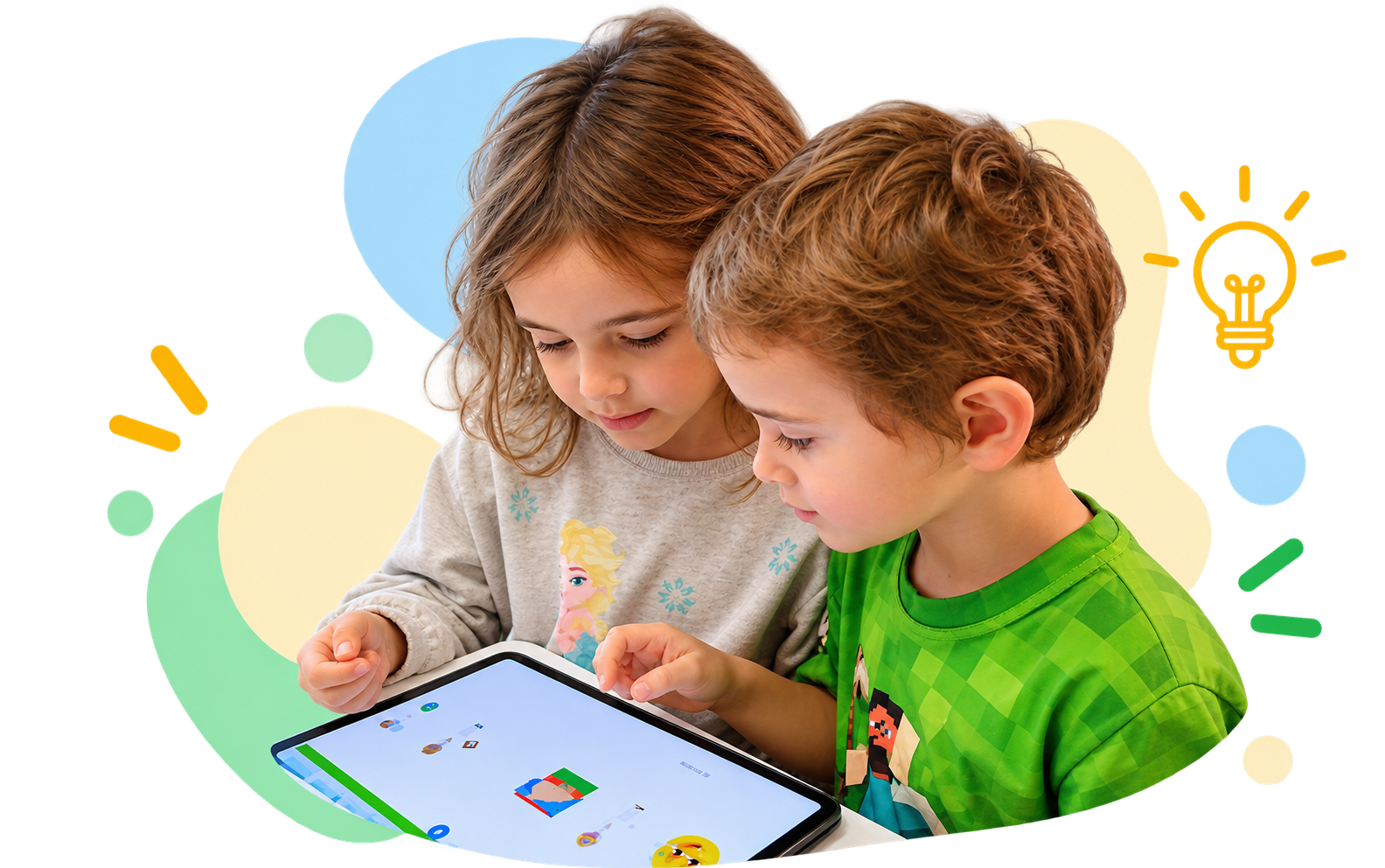
This form of diagnostic assessment was really enjoyable for my kids, and they didn't have any major issues with it. The results are beautifully clear, and now I know which tasks to choose to be most beneficial for the kids' needs. We'll focus on reviewing and practicing skills where the kids had weaker results, as these are crucial for their further development.
Jane
The app helps me see what my child needs to practice. The suggestions make it easy to focus on the right things.
Luba
I was surprised by my child’s results—it was clear they were better at solving math problems than understanding the concepts. Now I know what to focus on when helping them at home.
Lydia
The kids really enjoyed using the tablet, and we’ll do the diagnostic assessment again in November to see their progress. My younger one is building a strong foundation, while with my older one, we discovered some gaps we hadn’t noticed before. Now we can focus on those areas.
Veronica
It was interesting to see how my kids think during the various activities. Thanks to the diagnostic assessment, I learned more about their preschool mathematical concepts. It confirmed what I had already noticed about them.
Jacob
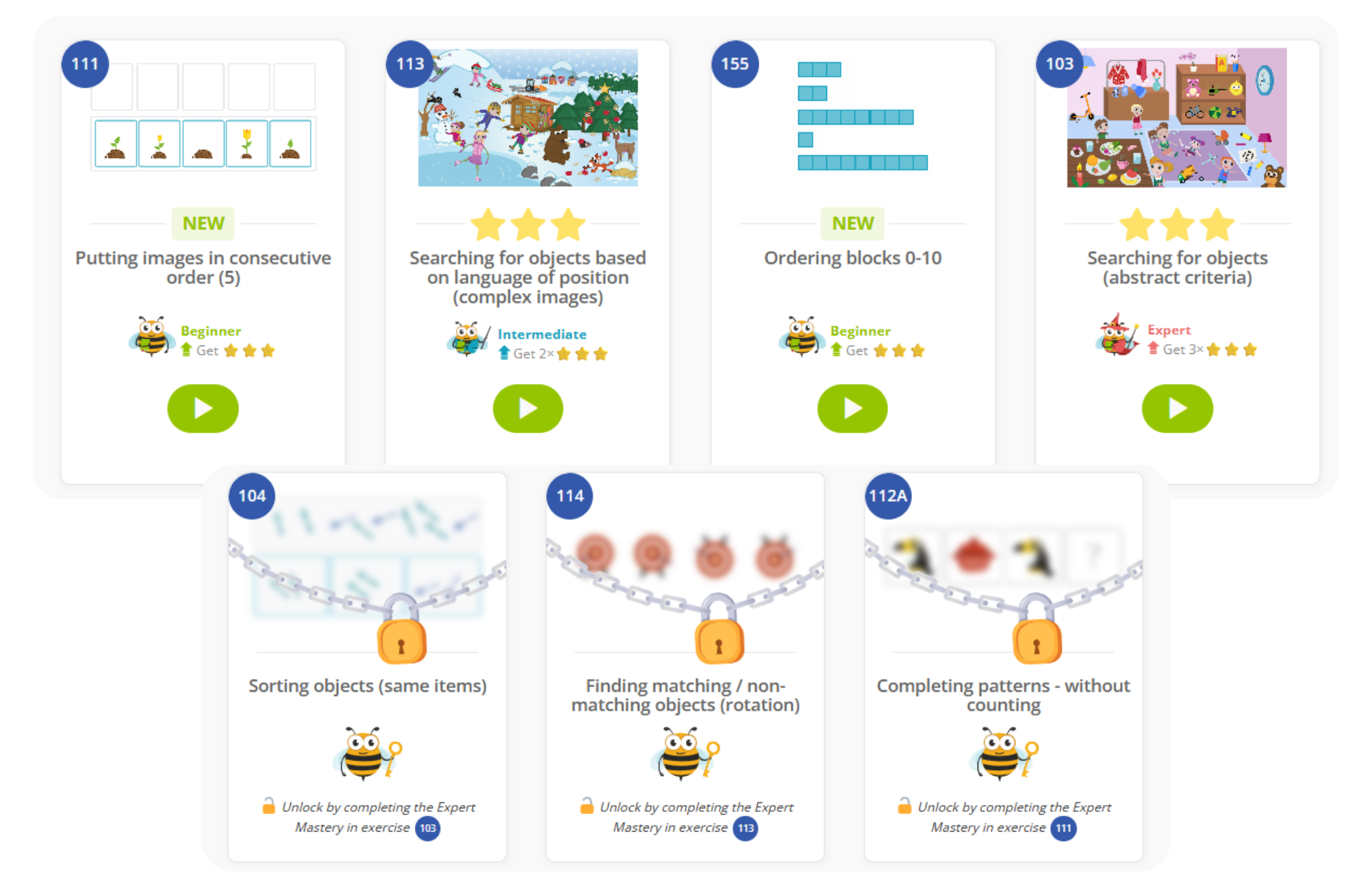
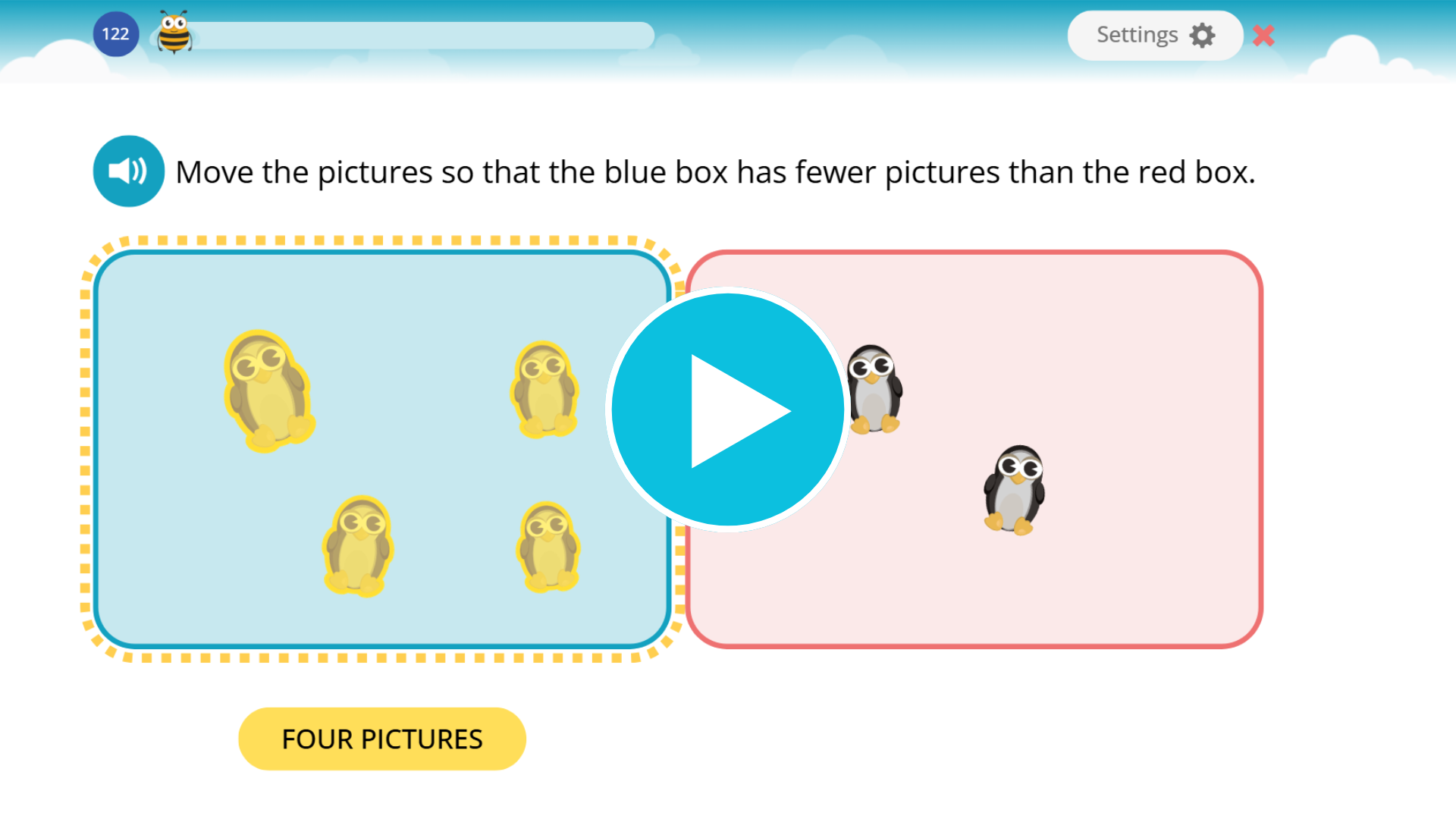
The kids really enjoyed this activity, even though they struggled with the tasks. The biggest challenge was with the concepts of more/less and arranging sequences of pictures by number. If we had the opportunity and time during lessons, we would conduct similar diagnostic assessments at least once a month. My kids were really engaged with the work. It was something new for them, even though some tasks were quite difficult.
Katherine
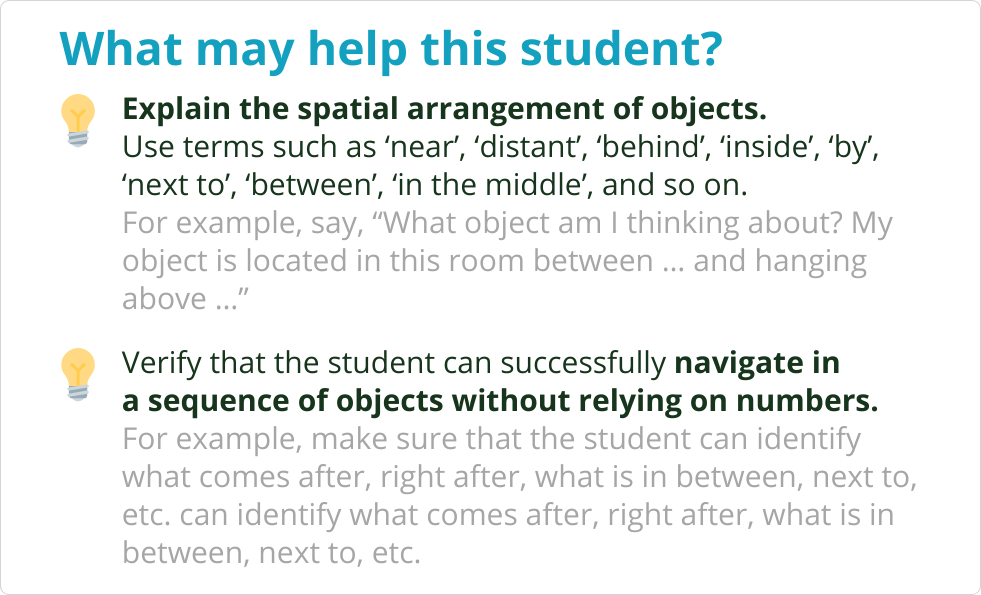
I was surprised that my daughter was able to focus for quite a long time. I was worried she wouldn't be able to work independently, but the program is very intuitive. It turned out that she has trouble identifying the first, last, right before, etc., and we're already working on this area. We're focusing on practicing the problematic areas. I'd like to incorporate Levebee more into our lessons.
Martina
My son really enjoyed the diagnostic assessment. I love how well-designed it is and how it adjusts to his level based on what he’s mastered. The output of the diagnostic assessment is absolutely perfect. Now that we’ve completed the assessment, we’ll focus more on the areas that need improvement, using exercises from Levebee.
Jane
I was surprised by my son's results in the diagnostic assessment, especially in logical thinking and numerical calculations. His results were weaker than I expected. I had no idea that he still hadn't fully grasped left-right orientation and was struggling with number sequences, which had been challenging for him before. Now I know what we need to focus on.
Jessica
We liked the diagnostic assessment. The interface was intuitive, and the length of the assessment was just right. From my perspective, my kids enjoyed the final tasks on vocabulary. On the other hand, they struggled with tasks like the "logical sequence" ("fill in the blank..."). We’ll keep practicing those skills.
Helen
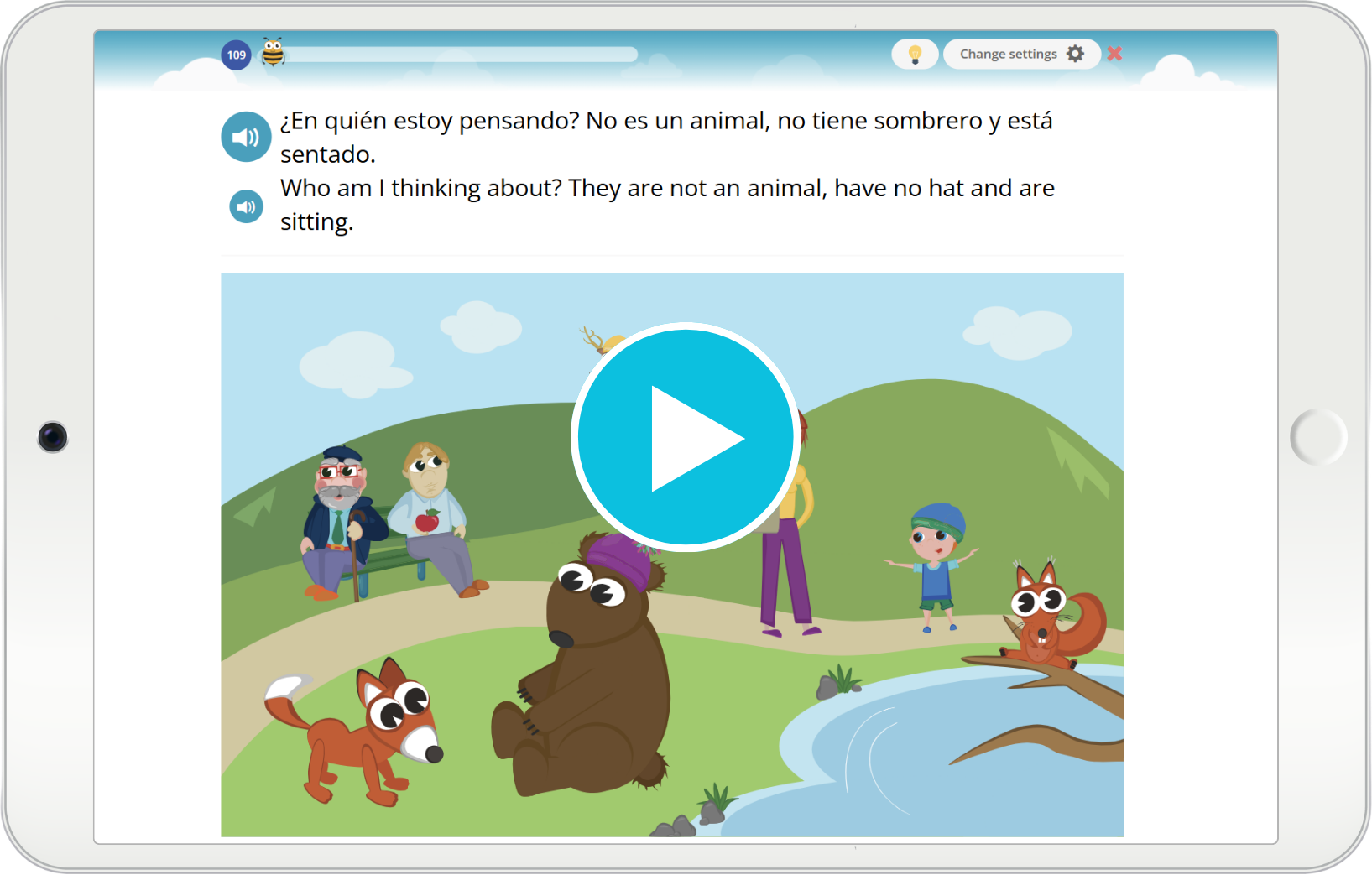
My children worked with enthusiasm, and even when they made mistakes, it didn't discourage them. They often wanted to find the correct answer, even when I encouraged them to move on. I was surprised by their limited vocabulary and issues with comprehension. We're already working on it using Levebee.
Yvette
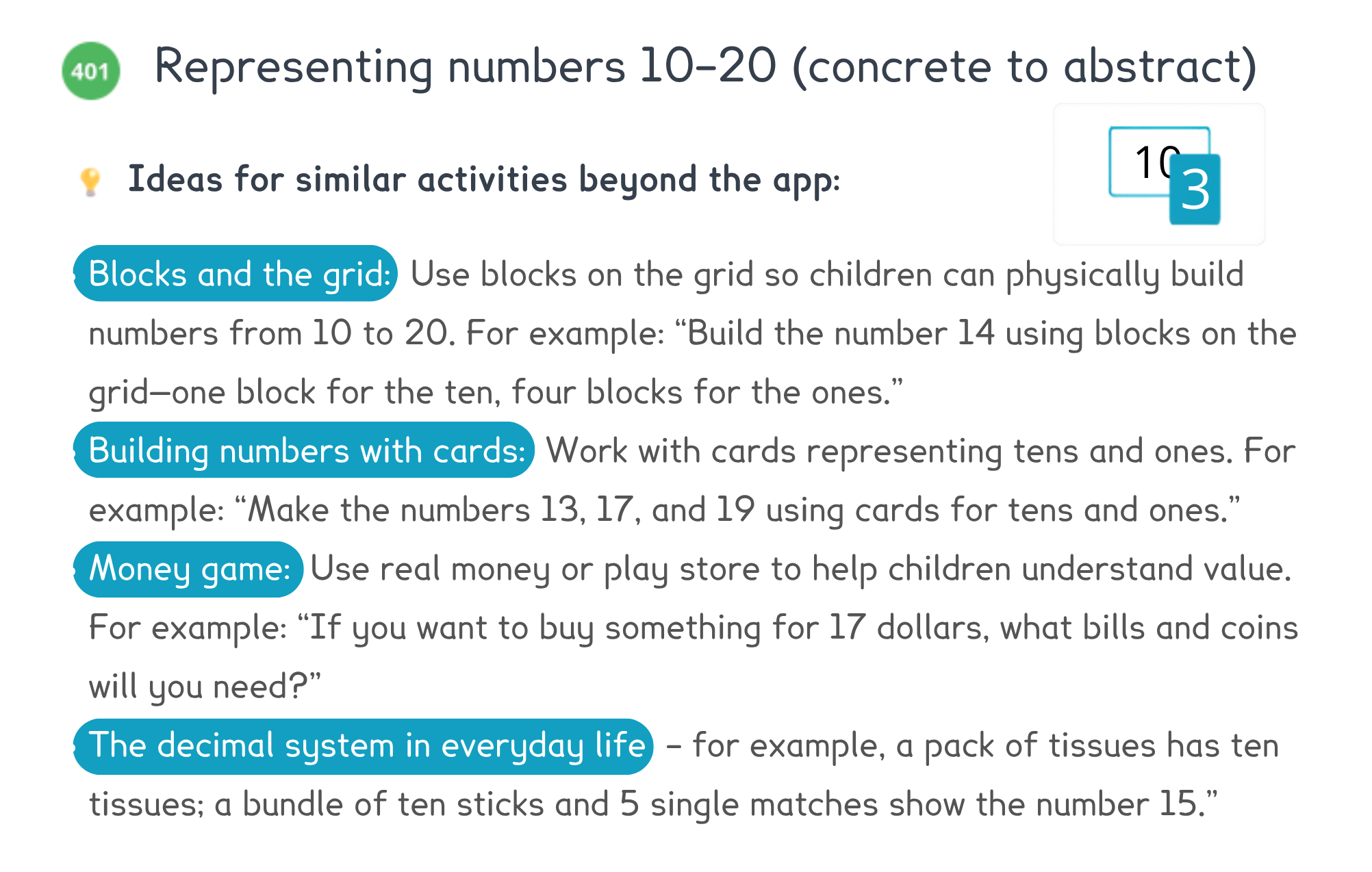
I was surprised that my child still struggles with some pre-mathematical skills. They can recognize numbers 1-10, but determining order was quite challenging for them, and figuring out how much more/less was one of the toughest tasks overall. Thanks to the diagnostic assessment, I now know that we'll need to spend more time on these skills than I initially anticipated. I'll be dedicating much more time to pre-mathematical skills and integrating math with other activities to help us catch up.
Jullie
Given my child's severe communication difficulties, where understanding is very limited, I was surprised that the children didn't ask for help. I really appreciate the detailed evaluation from the diagnostic assessment. I will definitely follow the advice on what to focus on and use Levebee to support their learning. Since we homeschool, I can incorporate it into our daily routine to reinforce key skills.
Alice
I really appreciate how simple it is to log in and that my child can work on tasks independently on the tablet, which they really enjoyed. I also like the clear summary of results and the helpful task suggestions. I’m now focusing more on adjusting activities to better fit their needs and support their learning.
Barbara